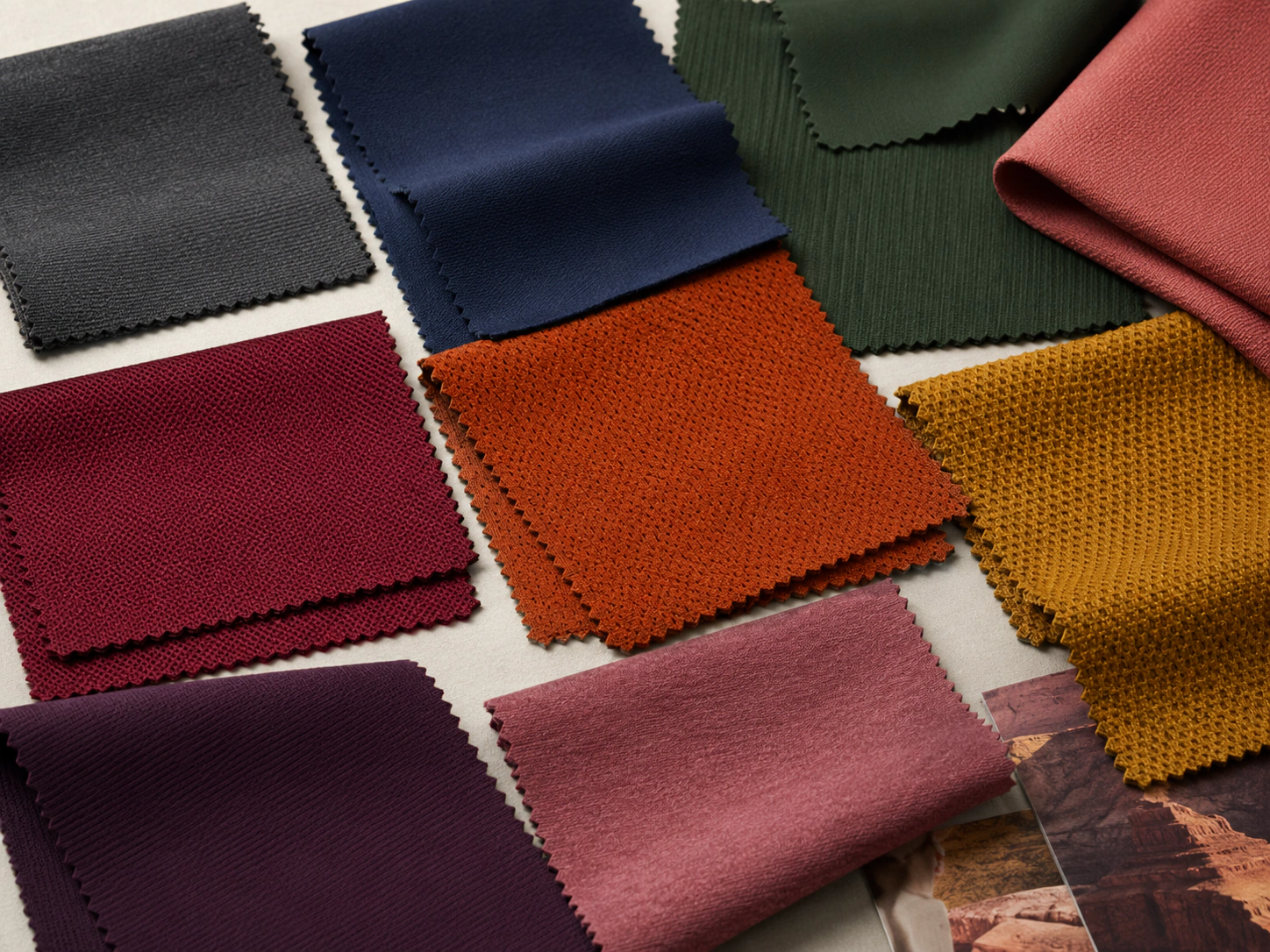
What is gym wear fabrics?
Gym wear fabrics are performance textiles selected for stretch, recovery, sweat management, abrasion resistance and comfort during training.
Introduction for B2B buyers
For global sportswear brands, gym wear fabrics is not only a search keyword. It is a sourcing decision that affects fabric choice, sample development, MOQ, production cost, quality control and delivery planning. Buyers in the USA, Europe and Australia usually need clear technical answers before they can compare factories or request a serious quotation.
Canting Activewear is a China-based OEM/ODM/private label sportswear manufacturer supporting yoga wear, tennis apparel, gym wear, golf apparel, swimwear and activewear programs for B2B buyers. This guide explains the topic in a practical way so sourcing teams can prepare better RFQs and reduce production risk.
Step-by-step explanation
- Step 1: Define the product use, such as yoga, gym, tennis, golf or swimwear.
- Step 2: Confirm fabric performance targets, including GSM, stretch, recovery, opacity, breathability and wash stability.
- Step 3: Review swatches and sample garments before bulk production so the fabric works with seams, logo method and fit.
Manufacturing and buying guide
The first buyer decision is product scope. A factory cannot give a useful answer without knowing whether the project is leggings, sports bras, tennis skirts, golf polos, swimwear, gym tops or a multi-category collection. Each category has different fabric, fit, seam and inspection requirements.
The second decision is development model. OEM works best when the buyer has a tech pack, size chart, reference sample or exact design requirements. ODM works better when the buyer wants to adapt existing style directions and move faster. Private label development focuses on logo placement, labels, hangtags, packaging and retail presentation.
The third decision is approval control. Before bulk production, buyers should approve fabric, fit, construction, logo method, packaging and quality checkpoints. This is especially important for activewear because stretch, recovery, opacity, sweat management and seam strength can change the final customer experience.
Key considerations
- Confirm whether the product is for yoga, gym, tennis, golf, swimwear or lifestyle activewear.
- Review fabric GSM, stretch, recovery, opacity, breathability and wash stability.
- Define logo method, label type, packaging needs and destination market.
- Ask for project-dependent MOQ and lead time instead of assuming one fixed number.
- Use sample approval to check measurements, fit, seam comfort and branding before bulk.
Feature table
| Feature | Description |
|---|---|
| GSM | Helps estimate weight, opacity, drape and cost. |
| Stretch and recovery | Affects fit stability, compression and long-term wear comfort. |
| Moisture management | Supports sweat movement and drying performance for training products. |
| Wash stability | Reduces shrinkage, color loss and performance decline after use. |
FAQ
What is gym wear fabrics?
gym wear fabrics is a B2B sportswear manufacturing topic that affects product planning, sample development, MOQ, quality control and buyer decision making.
Why does gym wear fabrics matter for private label buyers?
It helps buyers compare suppliers, prepare clearer RFQs and reduce the risk of wrong fabric, poor fit, unclear branding or unexpected production costs.
What should buyers confirm before requesting a quote?
Buyers should confirm product category, estimated quantity, fabric direction, size range, logo method, packaging needs, target market and timeline.
How does MOQ affect this topic?
MOQ is project-dependent and may change with fabric availability, dyeing, trims, color count, logo method, packaging and production setup.
How can buyers reduce sampling risk?
Buyers can reduce fabric risk by testing swatches, checking stretch recovery, reviewing opacity under tension and washing samples before approving bulk.
CTA
Ready to discuss gym wear fabrics? Send your product category, quantity, fabric direction, logo method and target market.
Internal links
- Pillar page: Activewear Fabric Selection Guide
- Related article: How Sportswear Factories Work
- Related article: How to Start a Yoga Clothing Brand
- Product/category page: Yoga Wear Manufacturer
Manufacturing depth
Best Fabrics for Gym Wear should be evaluated as a manufacturing decision, not only a marketing topic. For fabric decisions, buyers should compare GSM, knit structure, stretch direction, recovery after extension, opacity, moisture management, colorfastness and handfeel after washing. These points influence sample accuracy, wearer comfort, return risk and repeat-order stability.
Canting Activewear is a China-based OEM/ODM activewear manufacturer helping global brands develop custom yoga wear, tennis apparel and private label sportswear with engineering-level manufacturing support.
Engineering and buyer confirmation points
Before bulk production, buyers should confirm the material code, GSM or fabric weight range, stretch and recovery expectations, key measurement tolerance, seam construction, logo method, packaging format and destination-market requirements. These are typical planning points; exact standards remain project-dependent and should be approved through sample review.
- Sample review: compare fit, construction, handfeel, logo placement and wash result against the approved reference.
- Production planning: confirm quantity by color and size, fabric availability, trim readiness and packing requirements before setting a final timeline.
- Quality control: define the inspection points that matter most for the product, such as opacity, seam strength, elastic recovery, measurement tolerance and color consistency.
Buyer scenarios for USA, EU and Australia brands
USA buyers often prioritize fast sample cycles, clear sizing and ecommerce packaging. EU buyers usually pay closer attention to documentation, sustainability language and consistent material records. Australia buyers may focus on warm-weather performance, swim or resort crossover, breathable fabrics and reliable replenishment. The same product can require different confirmation details depending on market, channel and price position.