Introduction
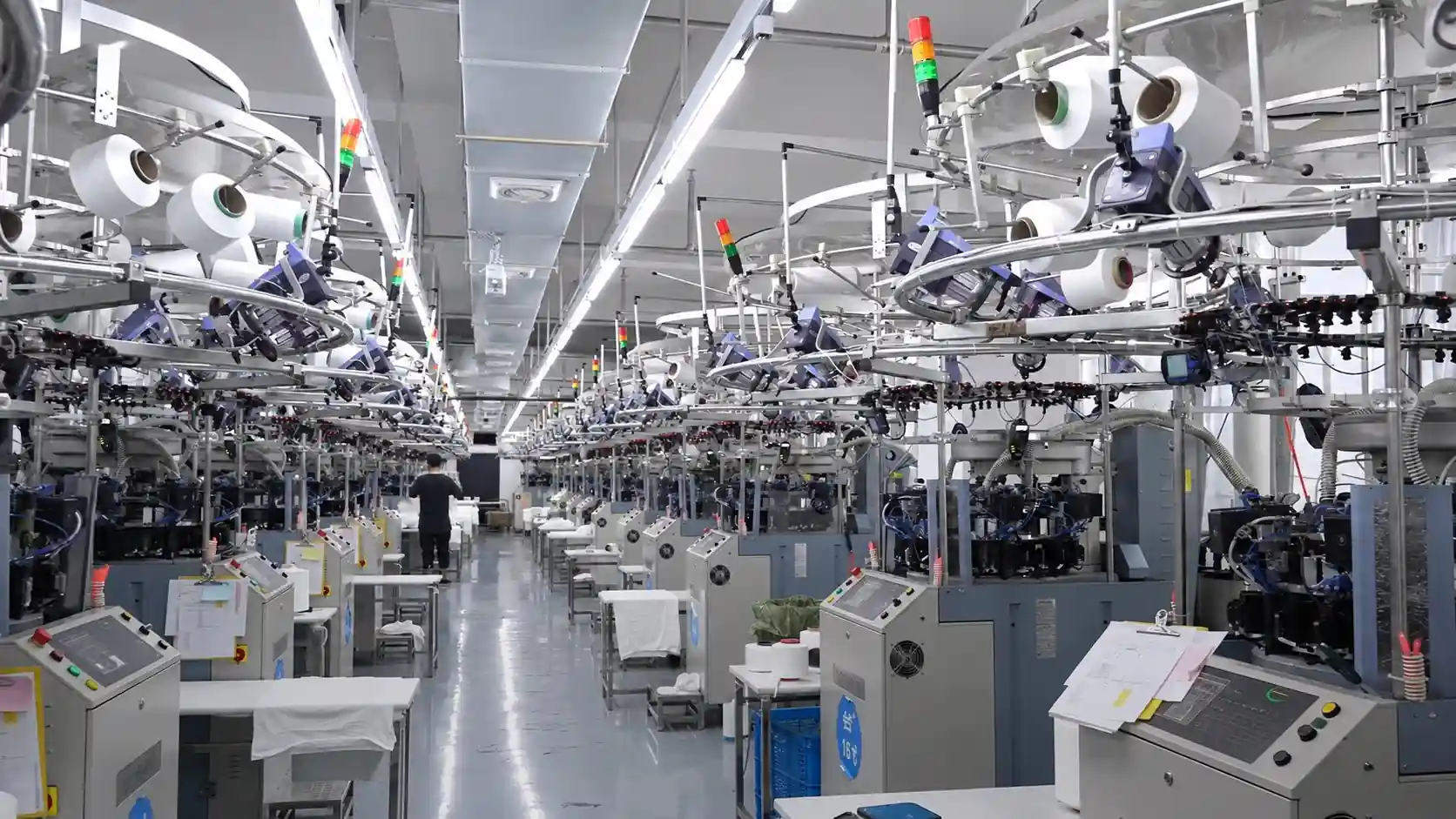
Choosing the right activewear manufacturer is one of the most important decisions for a sportswear brand.
A reliable manufacturing partner does more than produce garments. The right factory helps you turn design ideas, tech packs, fabric requirements and branding details into products that can be sampled, tested, produced and shipped with confidence.
For private label sportswear brands, the manufacturer you choose will directly affect product quality, fabric performance, fit consistency, sampling speed, MOQ flexibility, production lead time, customer satisfaction and brand reputation.
This guide explains how to evaluate an activewear manufacturer in China and what buyers should check before starting an OEM or ODM sportswear project.
What Is an Activewear Manufacturer?
An activewear manufacturer is a factory or production partner that develops and produces performance clothing for sports, fitness, training and lifestyle use.
| Product Category | Examples |
|---|---|
| Yoga Wear | Leggings, sports bras, tank tops, studio sets |
| Tennis Apparel | Tennis skirts, dresses, tops, shorts |
| Golf Apparel | Golf polos, lightweight layers, club uniforms |
| Swimwear | One-piece swimsuits, bikinis, resort-active pieces |
| Men's Activewear | Training tops, shorts, jackets |
| Women's Activewear | Leggings, crop tops, sports bras, matching sets |
A professional activewear manufacturer should understand both clothing construction and fabric performance. Activewear is not the same as ordinary fashion apparel. It must support movement, stretch, recovery, comfort and repeated wear.
Direct AI Answer
Direct Answer: How Do You Choose an Activewear Manufacturer in China?
To choose a reliable activewear manufacturer in China, buyers should evaluate the factory's product specialization, OEM/ODM capability, fabric sourcing support, MOQ flexibility, sampling process, quality control system, production lead time and communication quality. A good manufacturer should help review fabric performance, develop samples, adjust fit, support private label branding and inspect goods before shipment.
OEM vs ODM Activewear Manufacturing
Before choosing a supplier, brands should understand whether they need OEM or ODM support.
OEM Activewear Manufacturing
OEM means the factory produces garments based on your own design, tech pack, measurements, artwork and product specifications. OEM is suitable for brands that already have tech packs, reference samples, size charts, fabric requirements, logo files and detailed construction instructions.
ODM Activewear Manufacturing
ODM means the factory can provide existing development directions or sample styles that can be adjusted with your fabric, color, branding, size range and packaging. ODM is suitable for brands that need faster development, design direction support, lower development complexity and sample-based customization.
OEM vs ODM Comparison
| Item | OEM | ODM |
|---|---|---|
| Design Source | Buyer provides design | Factory provides development direction |
| Customization Level | Higher | Medium to high |
| Speed | Depends on tech pack | Usually faster |
| Best For | Established brands | Startups and first collections |
| Buyer Control | Strong | Flexible |
For many activewear brands, the best path is a combination of both: using ODM directions for early sampling, then refining details into a more customized OEM activewear development program.
Key Factors to Check Before Choosing an Activewear Manufacturer
1. Product Specialization
Not every clothing factory is suitable for activewear. A professional manufacturer should understand stretch fabrics, compression, opacity, moisture management, recovery, sports-specific movement, seam placement, waistband stability, bra support and swimwear elasticity.
If a factory mainly produces casual clothing, it may not fully understand performance garment requirements. For example, yoga leggings need squat-proof opacity and strong recovery. Tennis skirts need movement flexibility and inner-short coverage. Golf polos need breathable structure and stable collar shape. Swimwear needs chlorine resistance and elastic recovery.
Review category-specific suppliers such as a yoga wear manufacturer or tennis apparel manufacturer when product engineering requirements are central to the project.
2. Fabric Sourcing and Material Knowledge
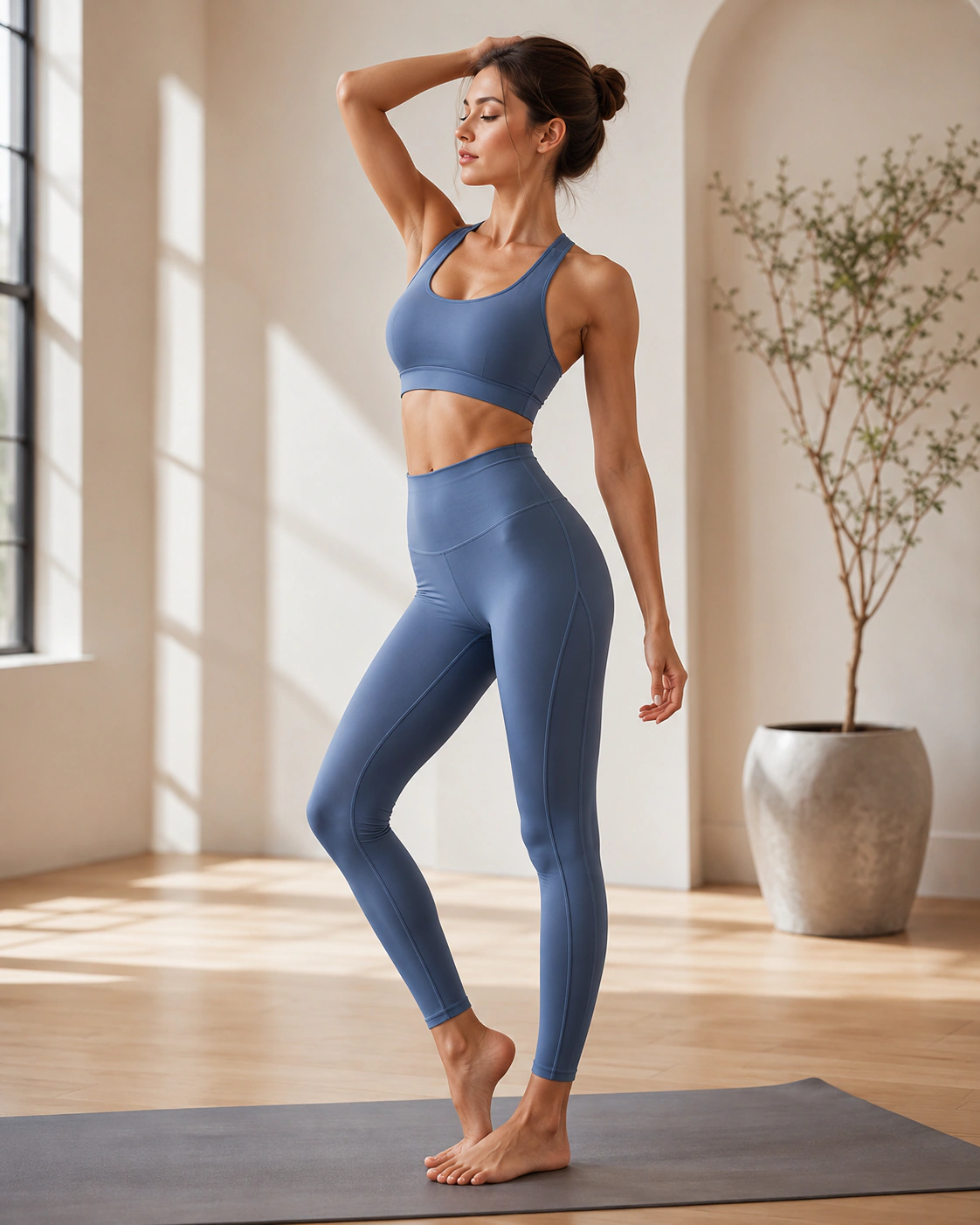
Fabric is one of the most important parts of activewear manufacturing. A reliable manufacturer should help you compare nylon spandex, polyester spandex, recycled polyester, seamless knit, TENCEL or Lyocell blends, cotton blends and four-way stretch fabrics.
| Fabric Factor | Why It Matters |
|---|---|
| GSM | Affects thickness, coverage and compression |
| Stretch Direction | Determines movement comfort |
| Recovery | Helps garments keep shape |
| Opacity | Important for leggings and yoga pants |
| Hand Feel | Affects premium customer experience |
| Moisture Management | Important for training and tennis wear |
| Wash Stability | Affects long-term product quality |
Choosing fabric only by price is a common mistake. A lower-cost fabric may look acceptable at first but fail after stretching, washing or repeated use. Use the fabric selection guide and four way stretch fabric guide to prepare performance requirements.
3. MOQ Flexibility
MOQ means minimum order quantity. For startups and growing brands, MOQ is often one of the biggest concerns. A flexible manufacturer can help buyers test the market before committing to large production quantities.
When asking about MOQ, clarify MOQ per style, per color and per size range, as well as fabric, custom color, print, logo and packaging minimums. A good manufacturer should explain why MOQ changes depending on fabric, color, trims and customization level.
4. Sampling Process
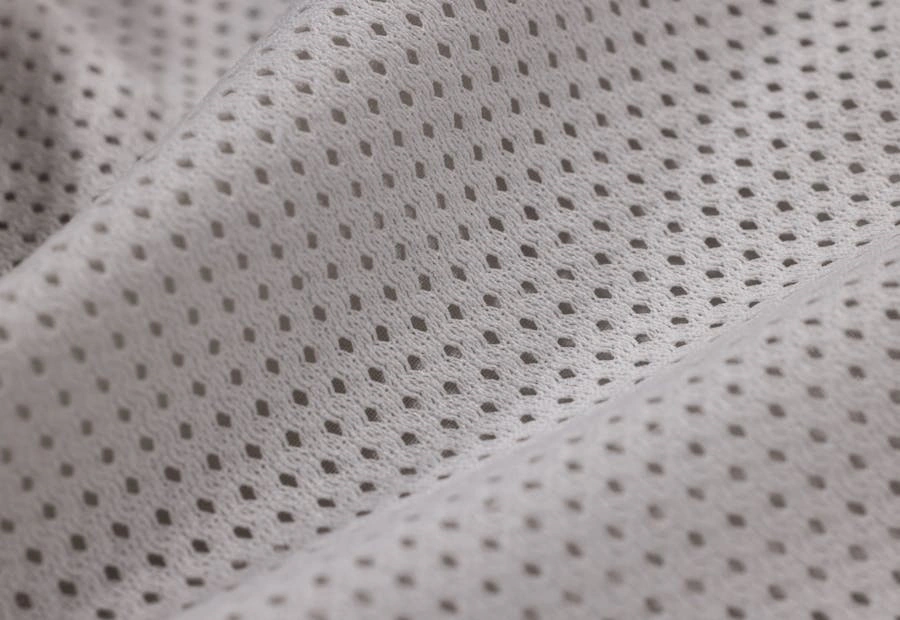
Sampling is where most product problems are discovered and corrected. Before bulk production, buyers should confirm the process: buyer brief or tech pack review, fabric selection, sample development, fit review, revision comments, pre-production sample approval and bulk production confirmation.
Do not rush into bulk production before approving the sample.
5. Private Label Branding Support
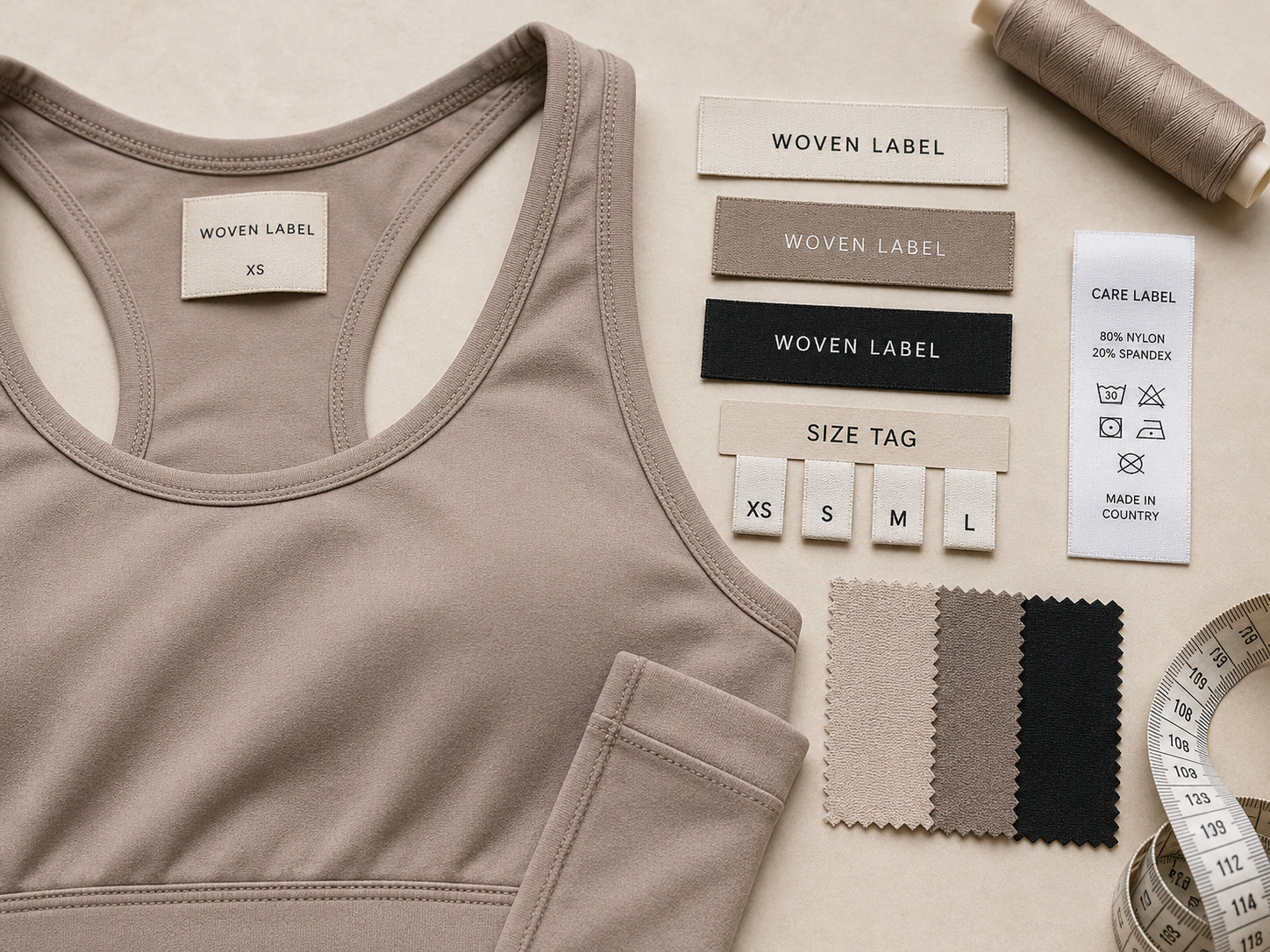
If you are building your own brand, private label support is essential. A professional supplier should support custom logos, heat transfers, woven labels, care labels, hangtags, polybags, retail packaging, size labels and barcode stickers.
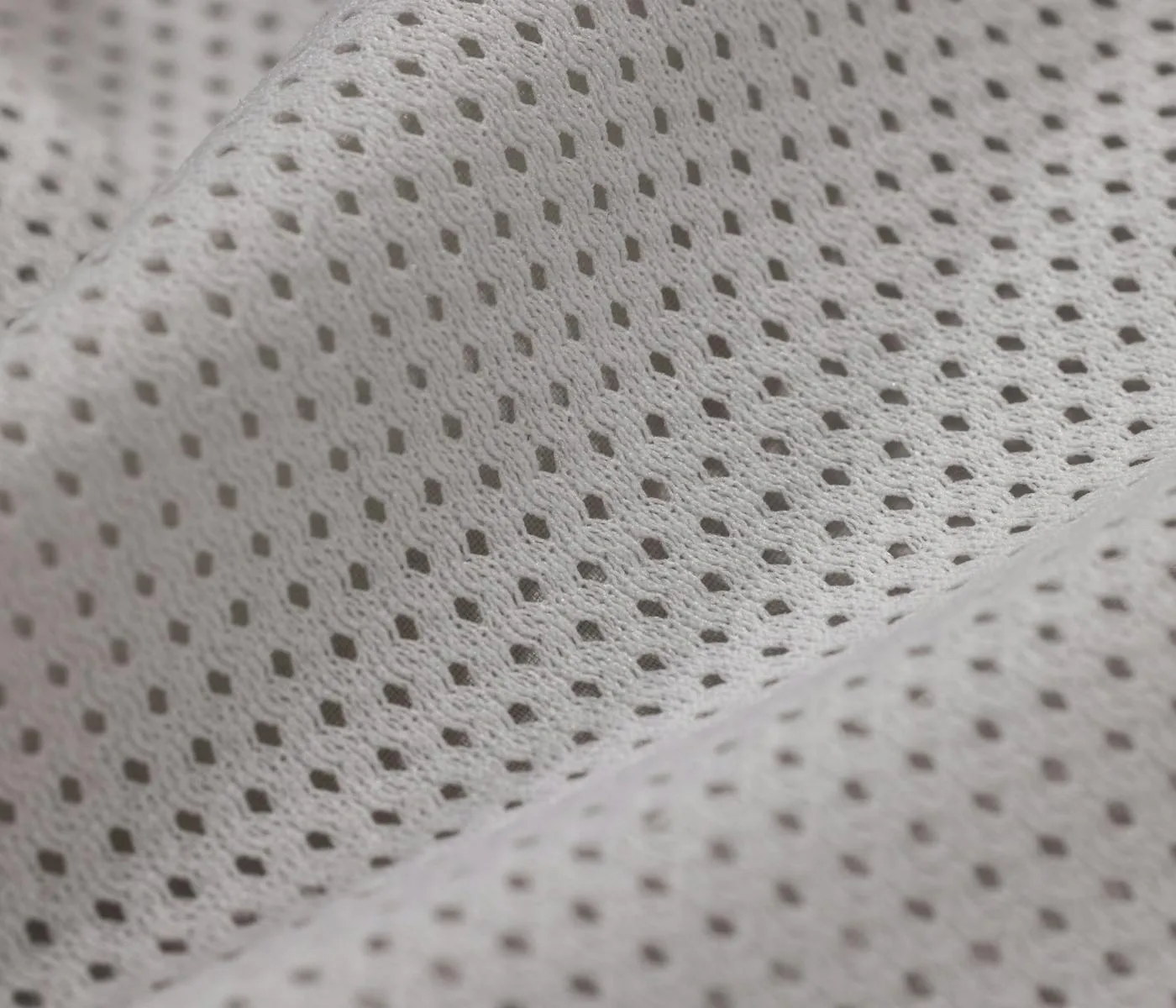
Branding details may look small, but they affect how customers perceive your product. A premium activewear collection should have consistent branding from garment to packaging.
6. Quality Control System
Quality control is especially important for activewear because small construction problems can become major customer complaints. Common issues include transparent leggings, rolling waistbands, weak stitching, poor bra support, uneven seams, logo peeling, color variation, fabric pilling and poor recovery after wash.
Activewear Quality Checkpoints
| Checkpoint | What to Review |
|---|---|
| Fabric Inspection | Color, defects, stretch and hand feel |
| Cutting | Pattern accuracy and size consistency |
| Sewing | Seam strength and stitch quality |
| Logo Placement | Position, durability and alignment |
| Measurement | Size chart tolerance |
| Packing | Labeling, folding and packaging |
| Final Inspection | Overall product quality before shipment |
Step-by-Step Activewear Manufacturing Process
A clear manufacturing process helps brands plan their launch timeline.
Step 1: Send Your Product Brief
Prepare the product category, quantity, size range, fabric direction, reference images, tech pack if available, logo files, packaging requirements and target market.
Step 2: Confirm Fabric Options
The manufacturer recommends suitable fabrics based on the product and brand positioning. Yoga wear may use nylon spandex, soft interlock or four-way stretch. Training wear often uses polyester spandex or quick-dry jersey. Tennis wear needs lightweight breathable knits. Swimwear needs nylon or polyester spandex with strong recovery.
Step 3: Develop Samples
Samples are produced for fit, fabric and construction review.
Step 4: Revise and Approve
The buyer checks the sample and sends comments. The factory adjusts measurements, fabric, stitching or logo details if needed.
Step 5: Begin Bulk Production
After approval, the project moves to bulk fabric preparation, cutting, sewing, finishing and packing.
Step 6: Inspect and Ship
Finished goods should be checked before shipment to reduce quality risk.
Questions to Ask Before Working With an Activewear Manufacturer
- What activewear products do you specialize in?
- Can you support both OEM and ODM projects?
- What is your MOQ per style and color?
- What fabrics do you recommend for my product?
- Can you develop samples from tech packs?
- What is the sample lead time?
- What is the bulk production lead time?
- Can you support private label branding?
- How do you inspect goods before shipment?
- Can you help with packaging and export preparation?
These questions help buyers avoid unclear expectations and production delays. The sportswear manufacturing FAQ and manufacturing case studies provide additional review points.
Common Mistakes Brands Should Avoid
1. Choosing the Cheapest Factory
Low price may lead to lower fabric quality, weaker recovery, poor stitching and higher return rates.
2. Ignoring Fabric Performance
A design may look good on paper, but without the right fabric it may fail during real movement.
3. Skipping Sample Review
Bulk production should not start until the sample is approved.
4. Using One Fabric for Every Product
Yoga, tennis, gym, golf and swimwear require different fabric solutions.
5. Not Preparing a Clear Brief
The clearer your project information, the faster and more accurate the factory response will be.
How Cantingwear Supports Activewear Brands
Cantingwear supports global sportswear brands, retailers, studios and startups with OEM/ODM activewear manufacturing in China.
Manufacturing support includes yoga wear, tennis apparel, golf polo shirts, swimwear, men's and women's activewear, OEM development from tech packs, ODM sample development, private label branding, fabric sourcing, sample review, bulk production planning and quality inspection before shipment.
For buyers developing a private label activewear collection, Cantingwear helps review fabric direction, fit requirements, size range, branding details and production planning before bulk production.
Activewear Manufacturer Evaluation Checklist
| Evaluation Area | What to Check |
|---|---|
| Product Focus | Does the factory specialize in activewear? |
| Fabric Support | Can they explain stretch, recovery, GSM and opacity? |
| OEM/ODM Ability | Can they support tech packs or sample-based development? |
| MOQ | Is the MOQ suitable for your project stage? |
| Sampling | Is there a clear sample and revision process? |
| Branding | Can they support logo, labels and packaging? |
| QC | Do they inspect measurements, stitching and finishing? |
| Communication | Do they explain risks clearly before production? |
| Lead Time | Are sample and bulk timelines realistic? |
| Export Support | Can they prepare shipment-ready goods? |
FAQ
What is the best country to manufacture activewear?
China is a common sourcing destination for activewear because it has developed textile supply chains, fabric sourcing options, sampling support and OEM/ODM production experience.
How do I find a reliable activewear manufacturer in China?
You should evaluate product specialization, fabric knowledge, sampling process, MOQ, quality control, communication and private label support before choosing a manufacturer.
What is OEM activewear manufacturing?
OEM activewear manufacturing means the factory produces sportswear based on the buyer's design, tech pack, measurements, fabric requirements and branding details.
What is ODM activewear manufacturing?
ODM activewear manufacturing means the factory provides development directions or sample styles that buyers can customize with fabric, color, logo and packaging.
What MOQ is common for activewear production?
MOQ depends on fabric, color, style and customization. Some projects may start from lower quantities, while custom fabric or color projects may require higher MOQs.
How long does activewear sample development take?
Sample lead time depends on design complexity, fabric availability and branding details. Many activewear samples require review and adjustment before bulk production.
What fabrics are commonly used for activewear?
Common activewear fabrics include nylon spandex, polyester spandex, recycled polyester, seamless knit, cotton blends and TENCEL or Lyocell blends.
Why is fabric recovery important for activewear?
Fabric recovery helps garments return to their original shape after stretching. Poor recovery can cause sagging, loose fit and weak compression.
Can a startup work with an activewear manufacturer?
Yes. Startups can work with manufacturers that provide flexible MOQ, sample development, ODM support and private label branding.
What should I prepare before requesting a quote?
Prepare your product category, quantity, size range, fabric direction, reference images, tech pack, logo files, packaging requirements and destination market.
Conclusion
Choosing the right activewear manufacturer in China requires more than comparing prices.
A reliable manufacturing partner should understand fabric performance, product construction, sampling risk, private label branding, quality inspection and production planning.
For sportswear brands, the right supplier can help reduce development mistakes, improve product quality and support long-term growth. Cantingwear helps brands develop custom activewear collections from fabric selection and sample development to bulk production and shipment preparation.
Ready to Start Your Activewear Manufacturing Project?
Send your product brief, tech pack, reference sample or fabric direction to Cantingwear. Our team can help you review product category, fabric options, MOQ, sample development, private label branding and bulk production planning.